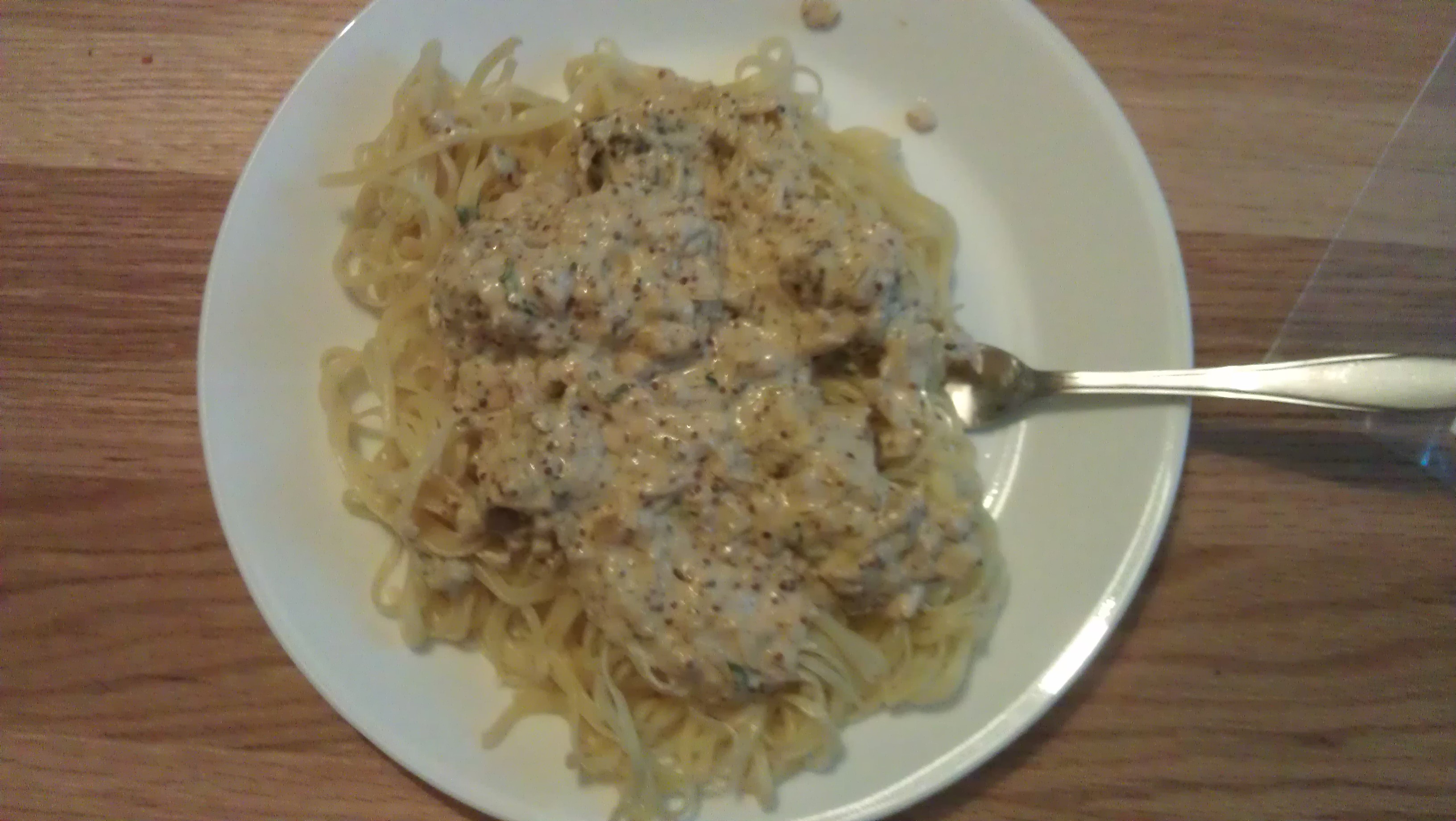
This was the first recipe I tried from a British magazine. I’ve tweaked this one, because the measurements were all in metric, and I do most of my grocery shopping at the commissary on base. What I do tend to buy off of the base is: milk, eggs, meat, and fresh fruits and vegetables. The following is how I currently make this dish:
Cooking time: 20 minutes
Serves: 4
16 oz linguine
8 large sausages (about 1 lb)
1 t. olive oil
1 large onion, finely chopped
1 clove garlic, thinly sliced
8 oz. Philadelphia cream cheese
2 t. whole grain mustard
1/2 c. pasta water
1 T. chopped parsley (or 1 t. dried parsley)
1. Cook pasta. Meanwhile, skin the sausages and roll the meat into bite-size balls. Fry in a little oil until browned and cooked through. Remove meatballs from pan.
2. Add the onion and garlic to the pan, and cook gently for several minutes to soften the onions. Drain the pasta, reserving 1/2 cup of the water. Add the cream cheese to the onions with the pasta water and mustard. Gently heat until the cheese has melted, then stir in the parsley and meatballs.
3. Divide the pasta between 4 bowls. Top with meatballs and sauce.
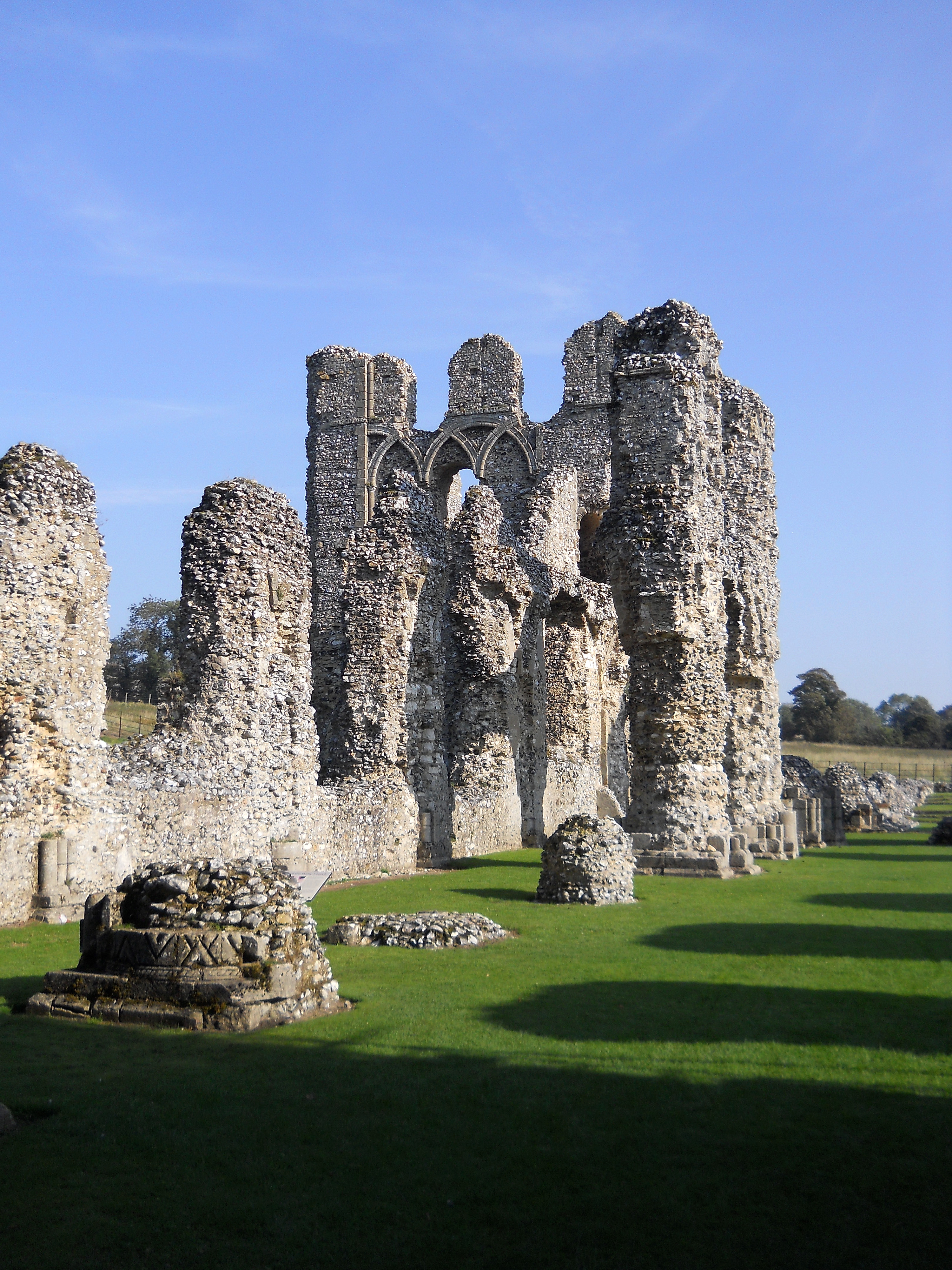
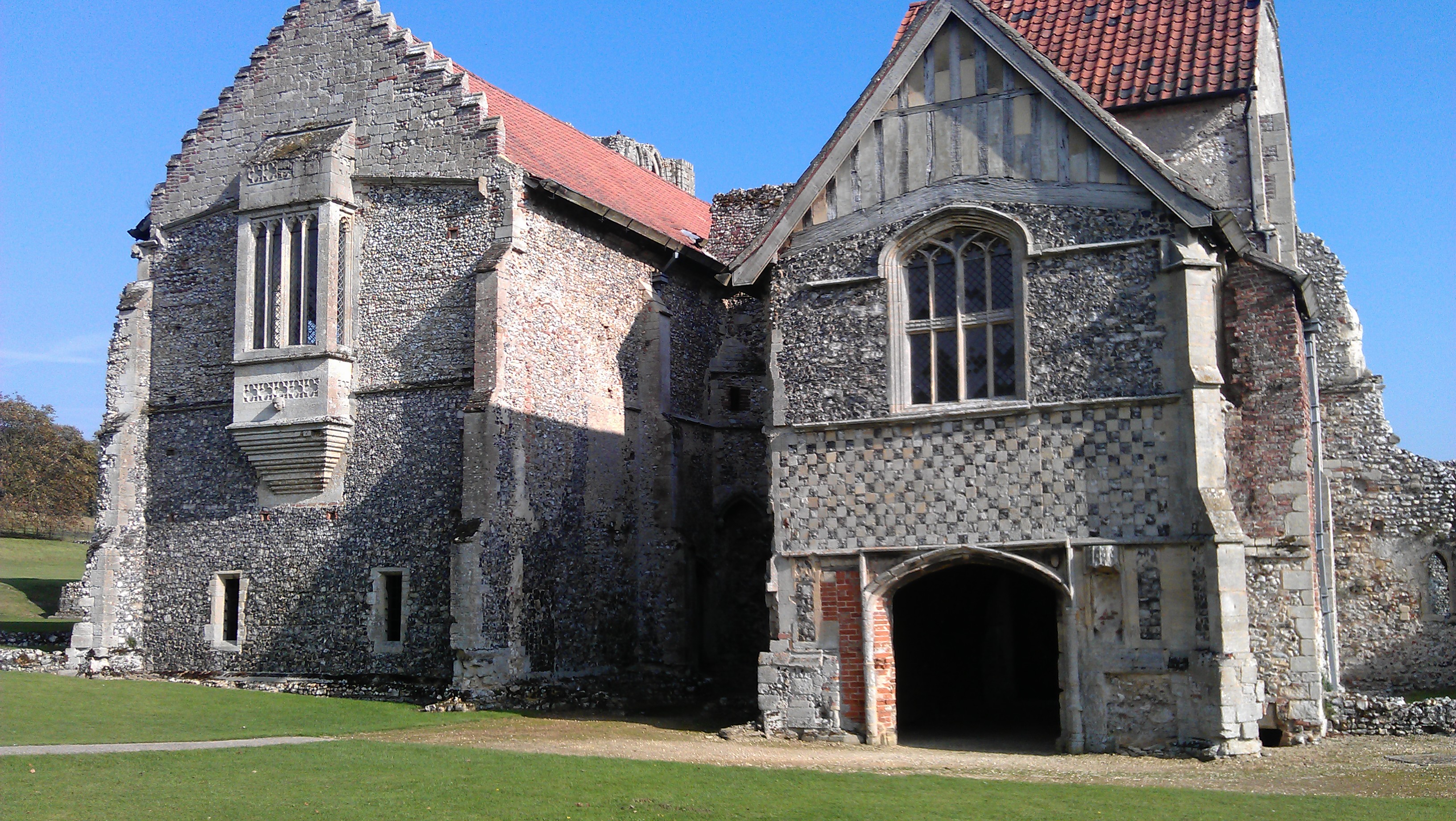
Since we didn’t have enough time to see Castle Acre Priory the previous weekend, we planned to do this weekend. For mid-October, we had a beautiful day! Sunny and pleasant.
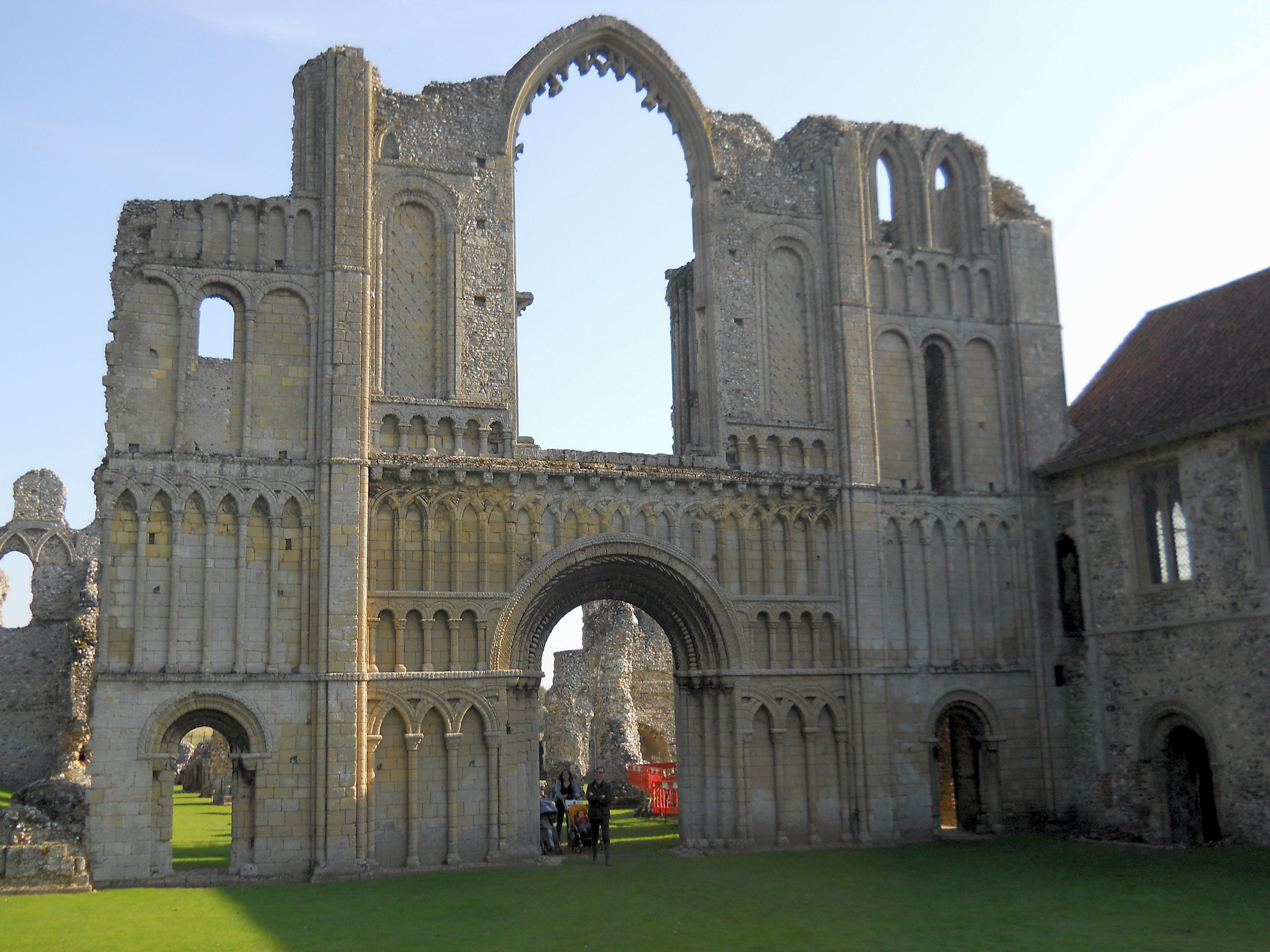
As you can see, the priory has seen better days as well. Parts of it were still in good enough condition to go inside, but the part that had been the church was ruined after Henry VIII started dismantling the Catholic churches in England.
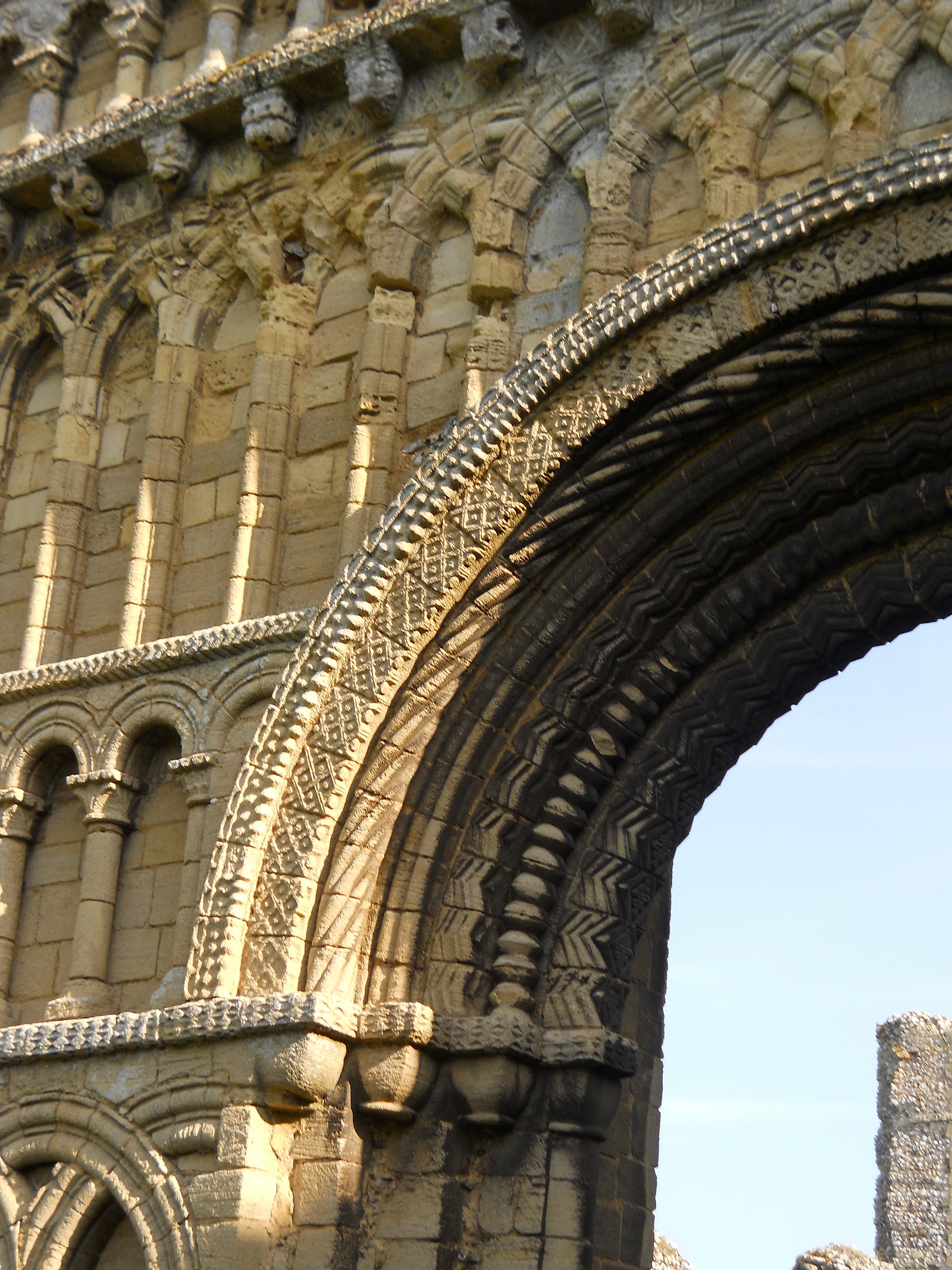
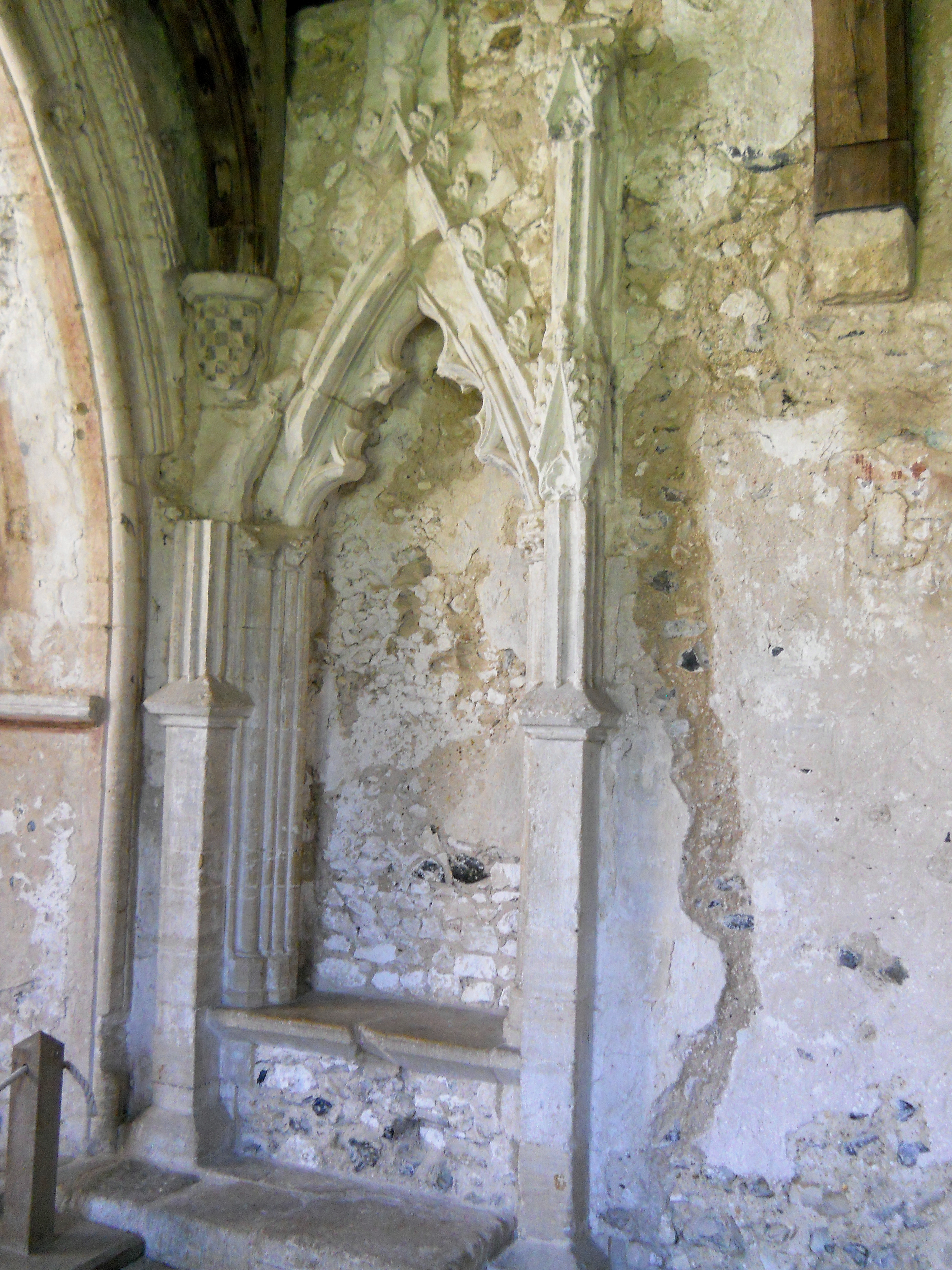
The church itself was consecrated in the mid-12th century. The priory was the home of the first Cluniac order of monks to England, and the Cluniac love of decoration is everywhere reflected in the extensive ruins.
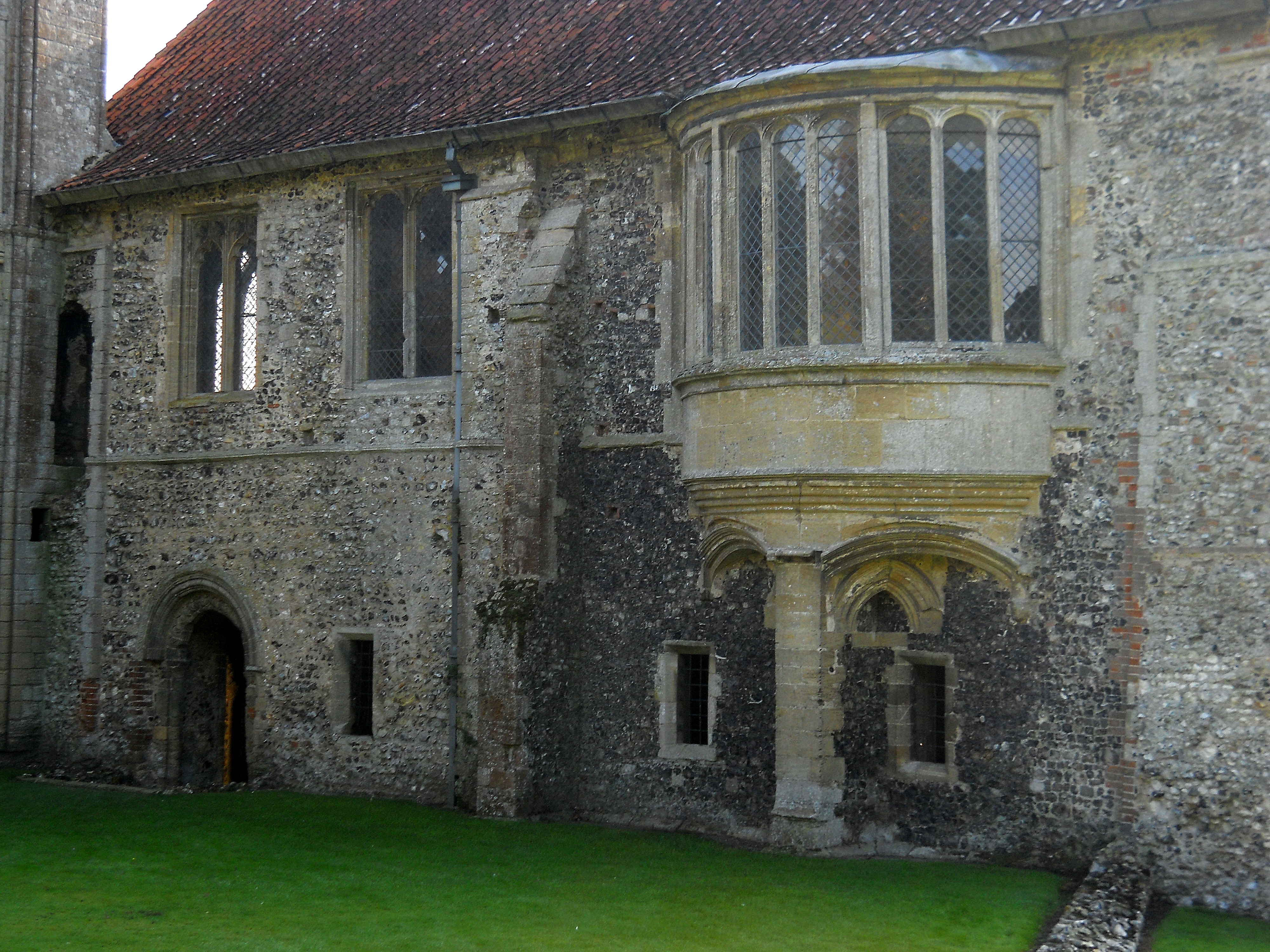
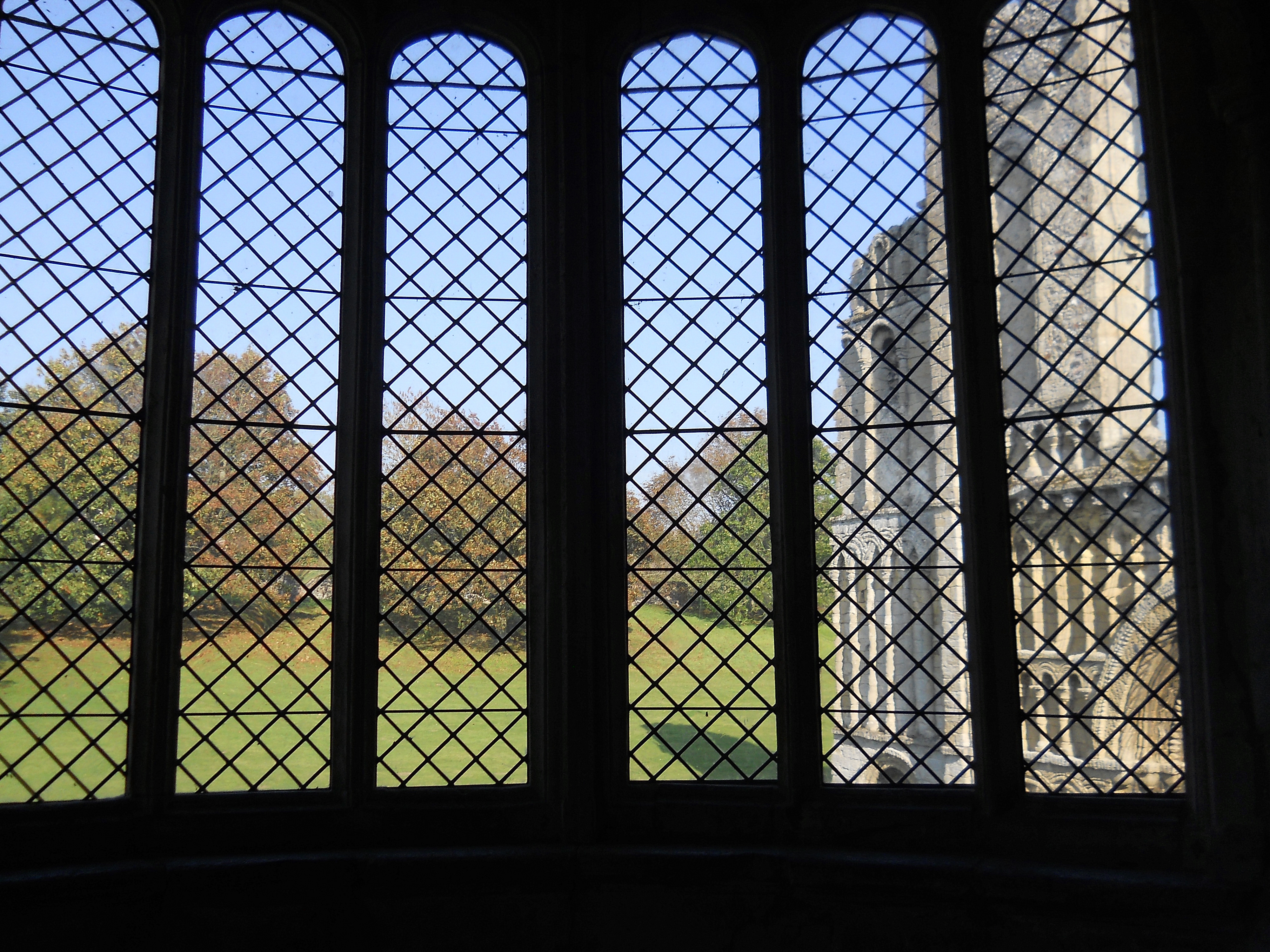
The lodging of the prior is still intact, because it was very nicely adorned, so aristocracy still stayed here.
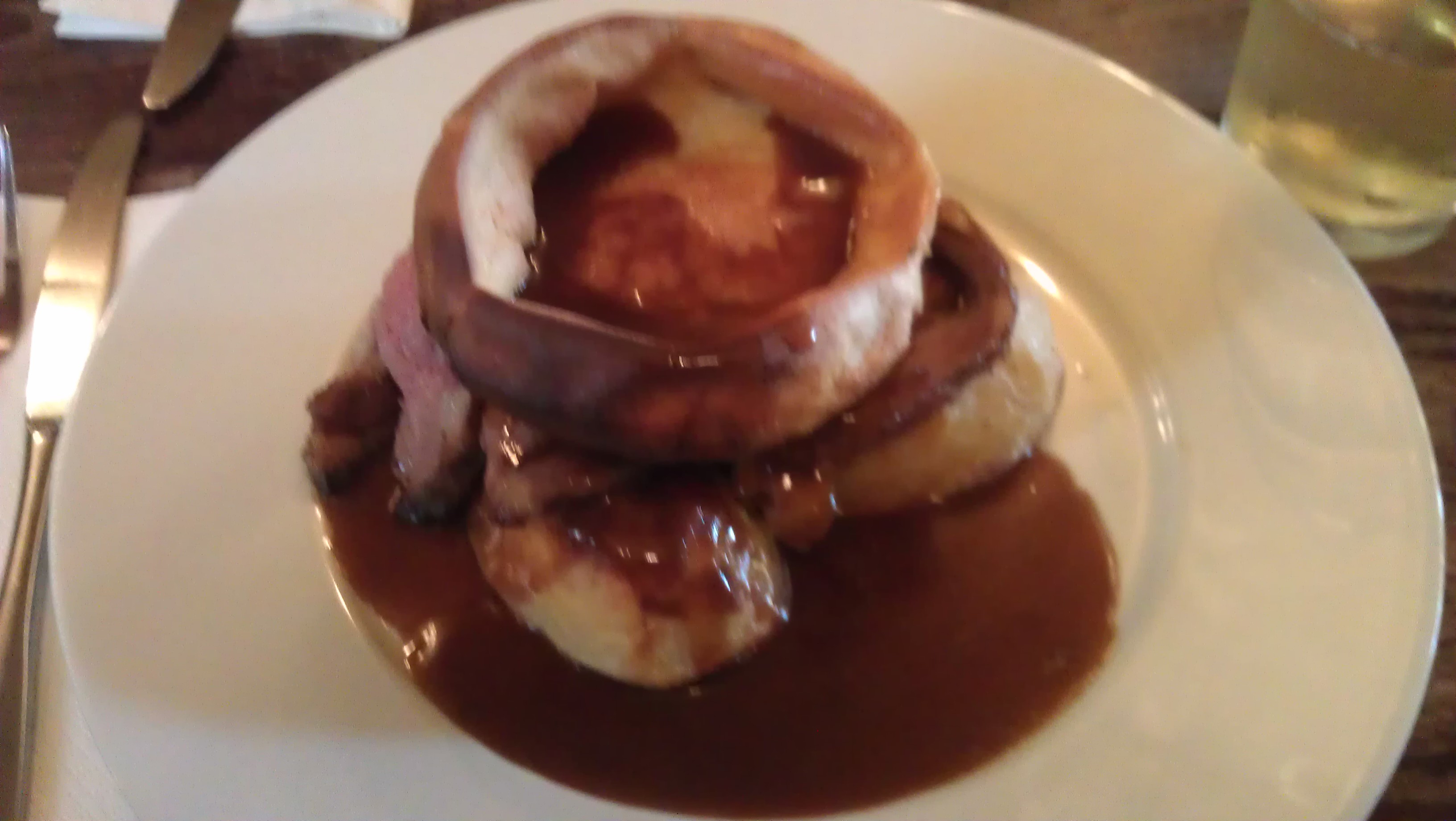
After the priory, we went to a pub called The Ostrich for lunch. Something to note if you’re going to go out for lunch on a Sunday: nearly every restaurant serves Sunday Roast. Some have other options, but a lot of them only have the Sunday Roast available.
Roast lamb with Yorkshire pudding
I thought it was delicious! Especially with a pint of British cider… yum! And Yorkshire pudding is not what you call pudding in the States. 🙂
Overall, it was a really nice day & a great weekend!
The day after our Oxburgh Hall trip, we drove up to Castle Rising Castle. I know it sounds repetitive, but the town is called Castle Rising, so the castle in the town is Castle Rising Castle.
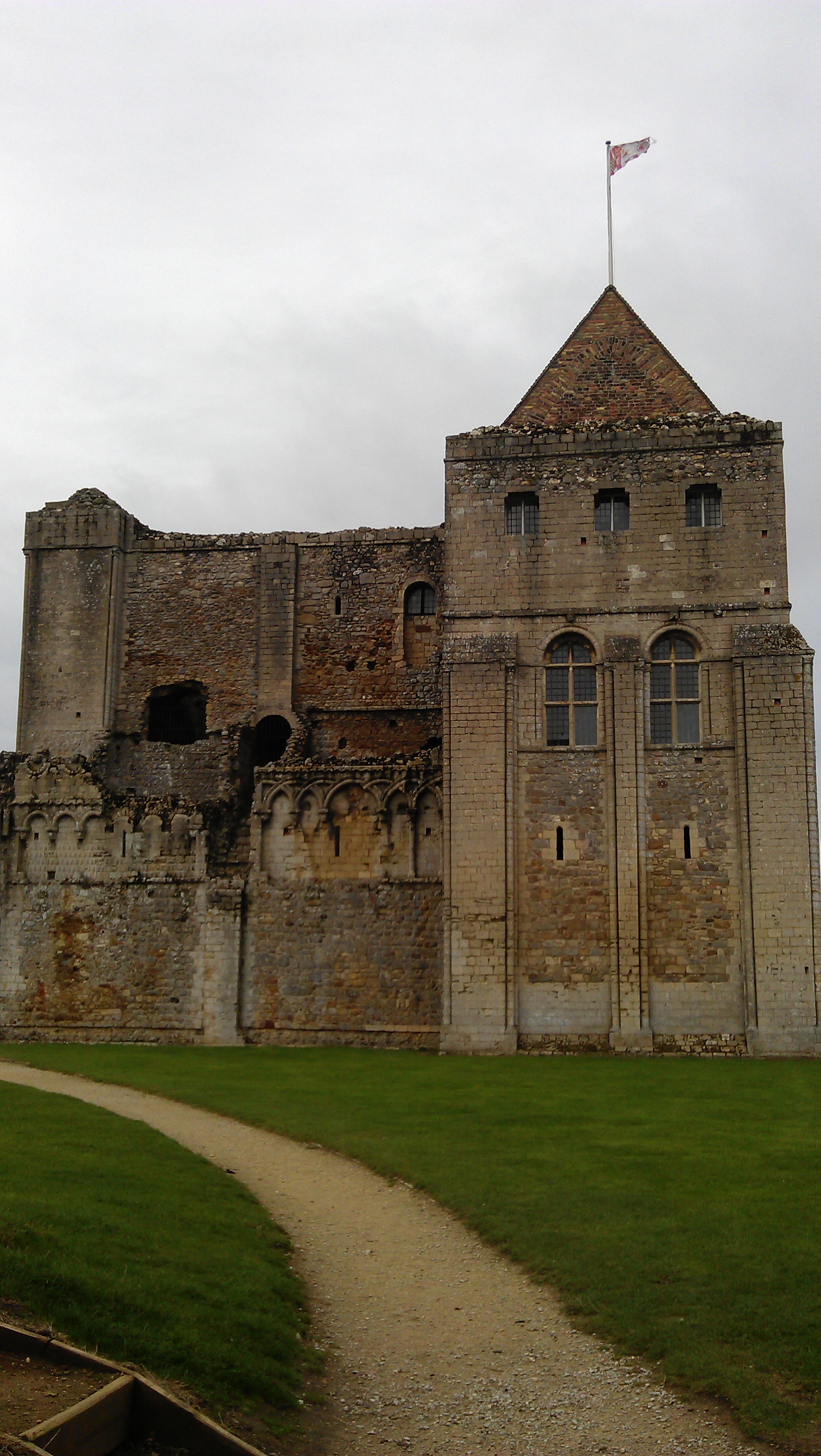
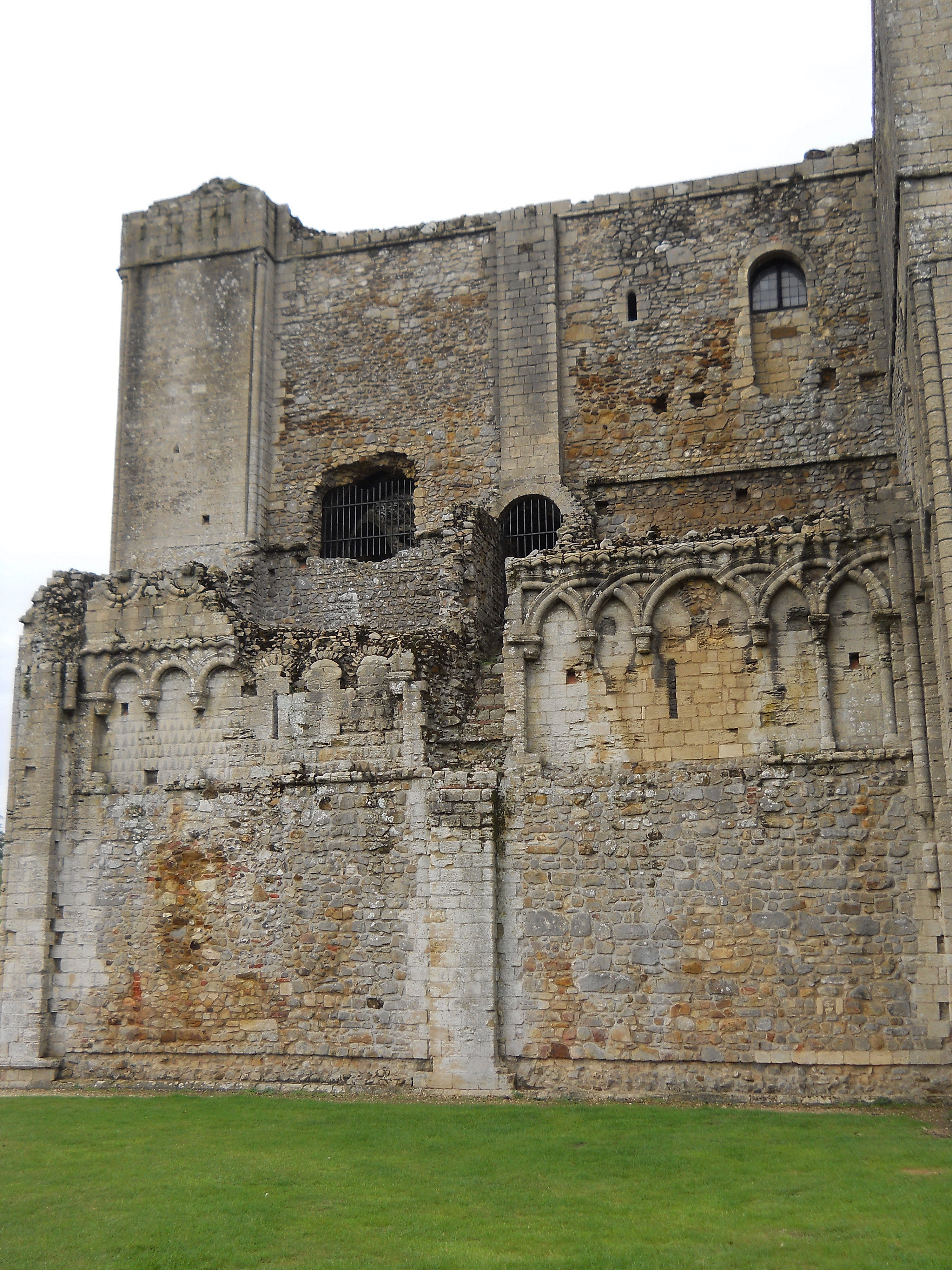
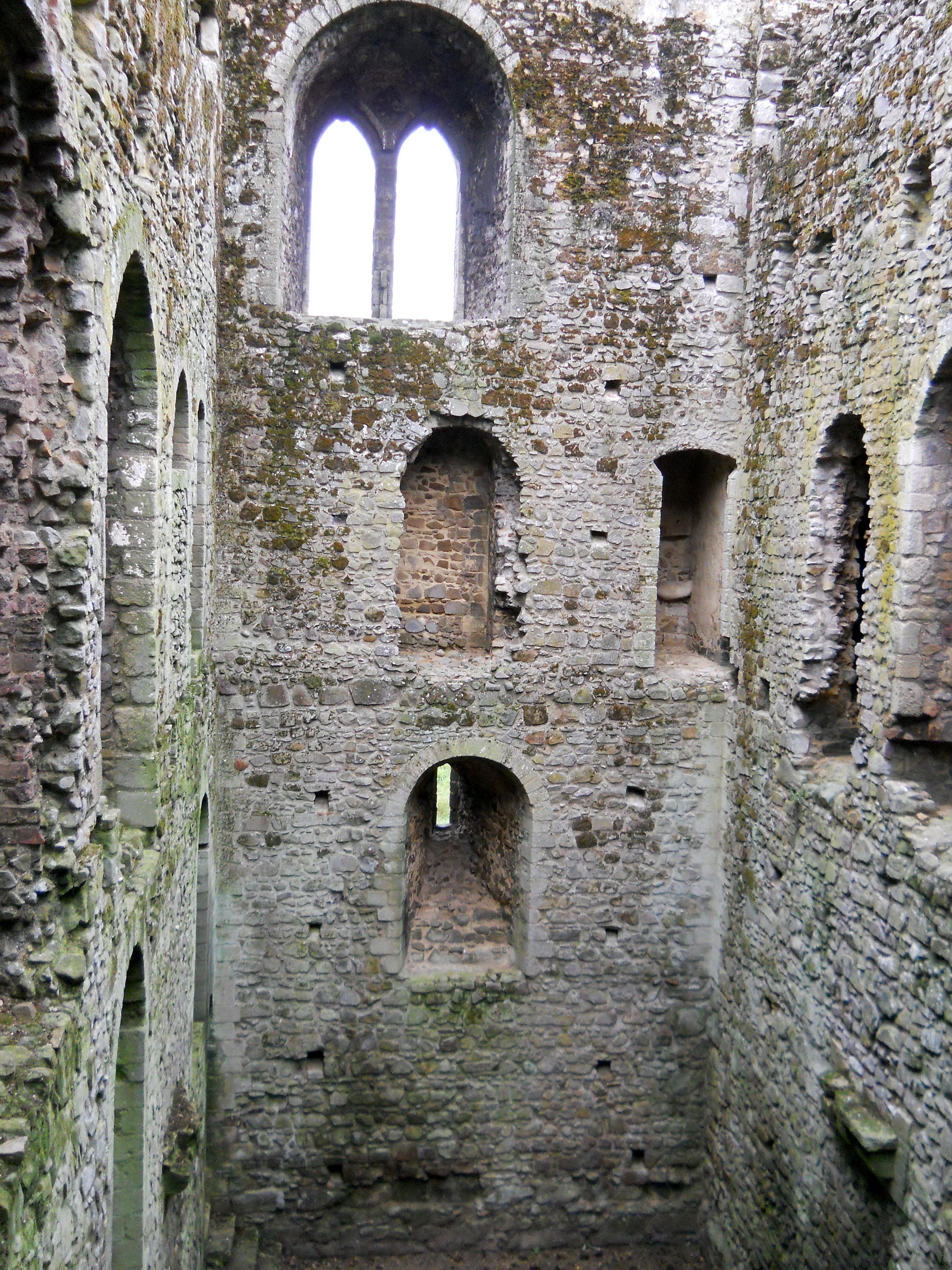
Castle Rising Castle is a 12th century castle built around 1140 by William d’Albini, who married Henry I’s widow. The castle isn’t fully intact (the main roof is gone), but the walls are fully intact, and you can still walk through the different floors.
We paid for the audio tour, since most of the signs didn’t have a lot of detail, we were told. The audio tour was largely told from the point of view of Queen Isabella, mother of Edward III, who came here after being accused of having a hand in the murder of her husband, Edward II. She wasn’t technically under house arrest, but being here also meant she was too far from the court to have any real influence.
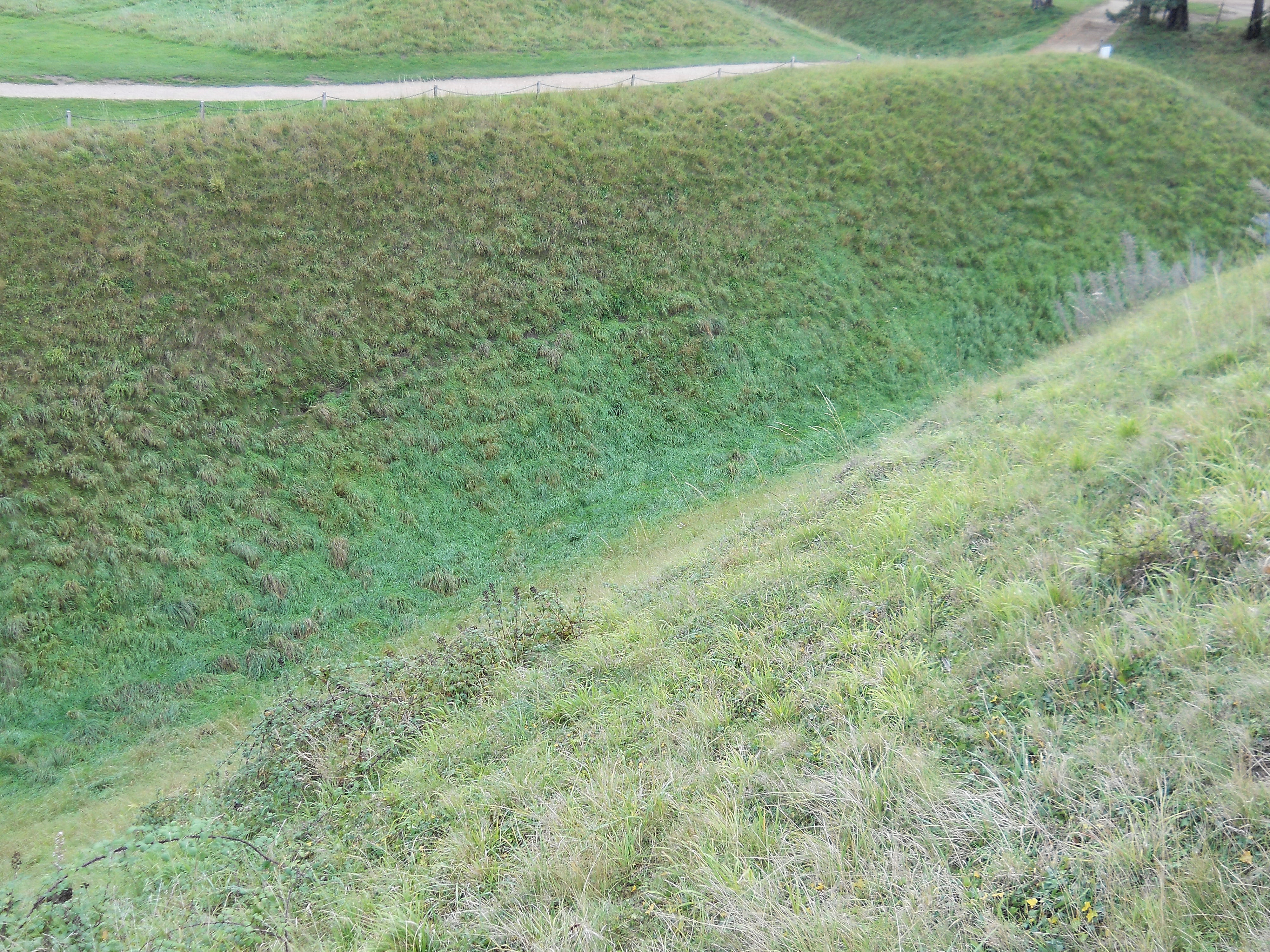
One thing Castle Rising Castle is particularly known for is the large earthworks surrounding the keep. The great earthworks which form the whole site and extent of the castle, cover an area of between 12 and 13 acres and comprise a main central enclose, or inner bailey, and two lesser outworks respectively to east and west. The central enclosure, in shape something between a circle and an oval, is far and away the strongest, with it banks, even now after the cumulative and combined effects of erosion and in-filling, rising to a height of some 18 meters.
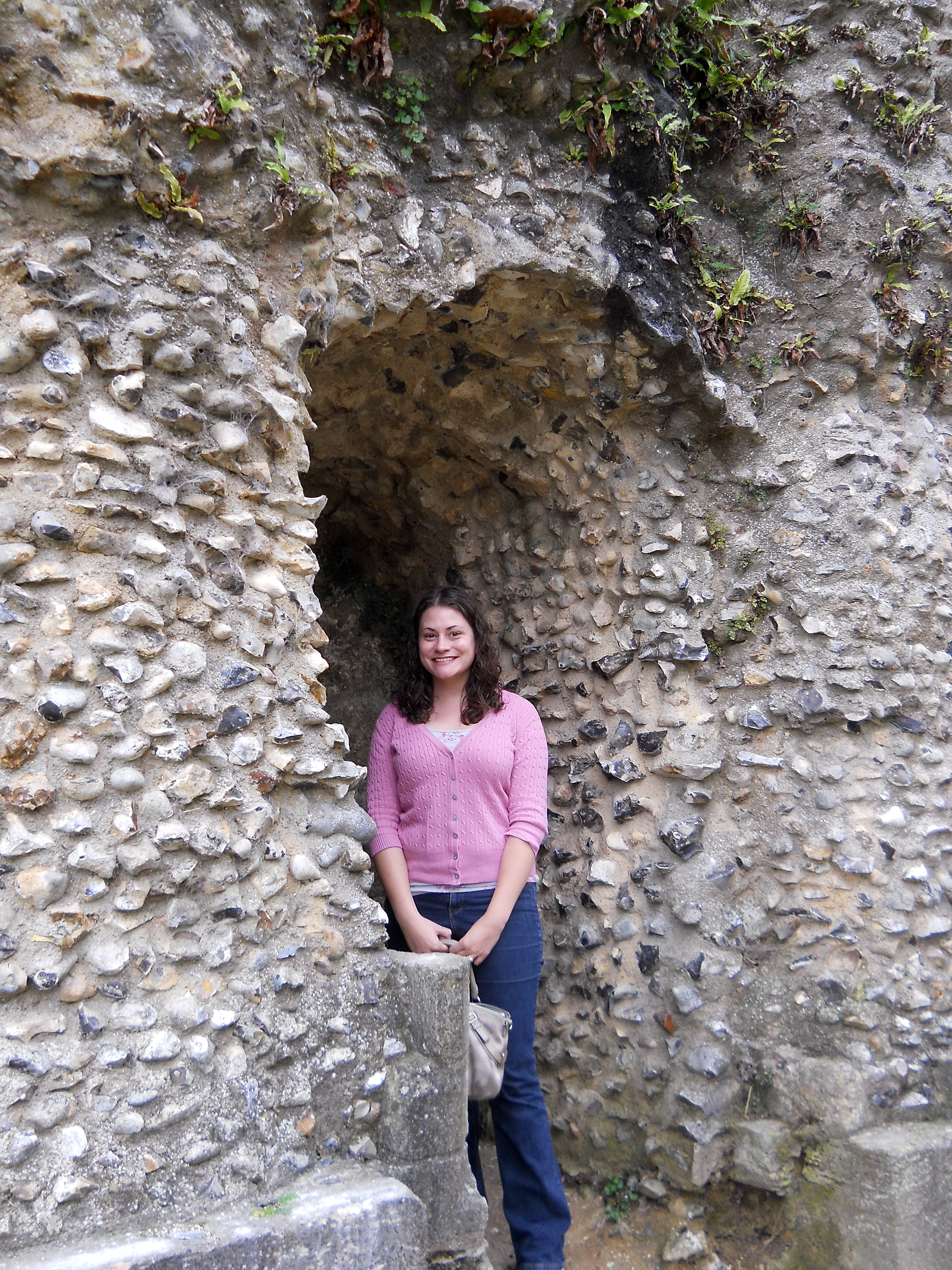
I’m always impressed with the detail on the stonework, and how it can stand the test of time.
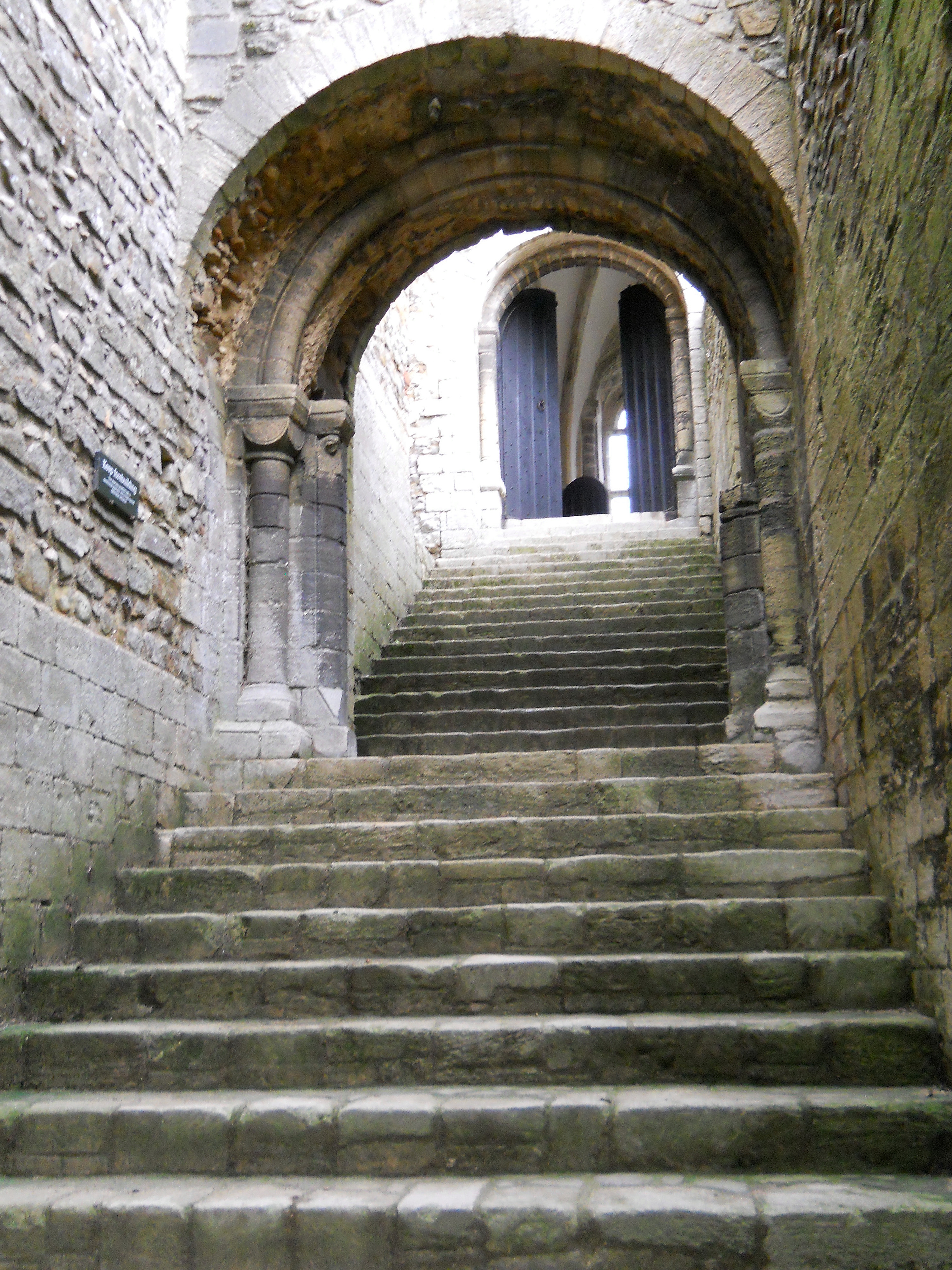
The staircase upon entering was also impressive. The archways are still intact, and you can still see the details carved into the stone.
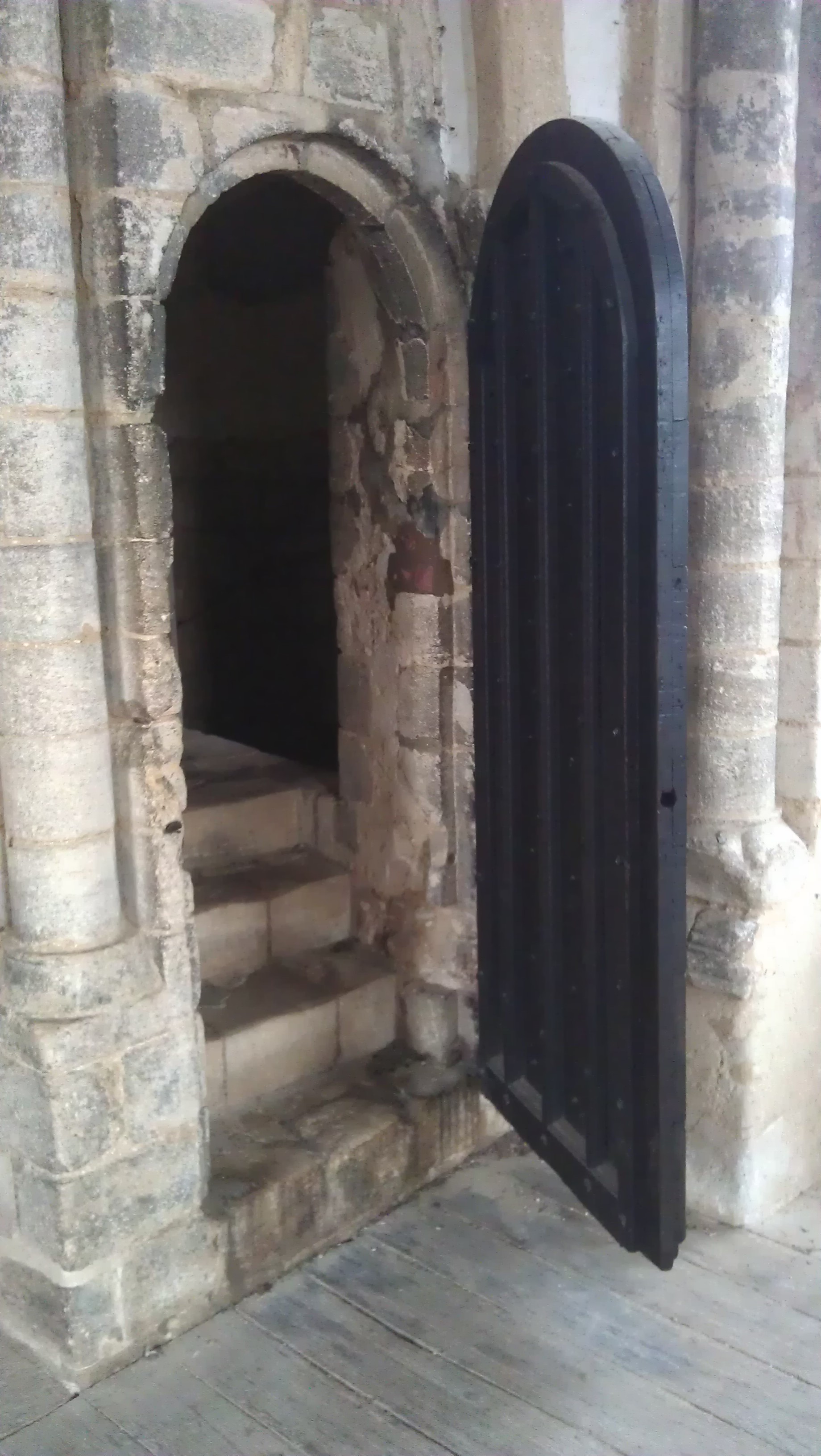
We had to walk through a little doorway to get to the staircase for the inside of the castle. I’m always amused by how much shorter they were centuries ago. It makes me feel humungous though!
The audio tour was really nice to have, because otherwise you could probably walk through the castle in half the time. It was also interesting to hear what Queen Isabella’s perspective may have been. The castle is in a very pretty area, but it’s very quiet and somewhat remote as well. Despite the fact that she had frequent visitors, it probably was pretty quiet the rest of the time.
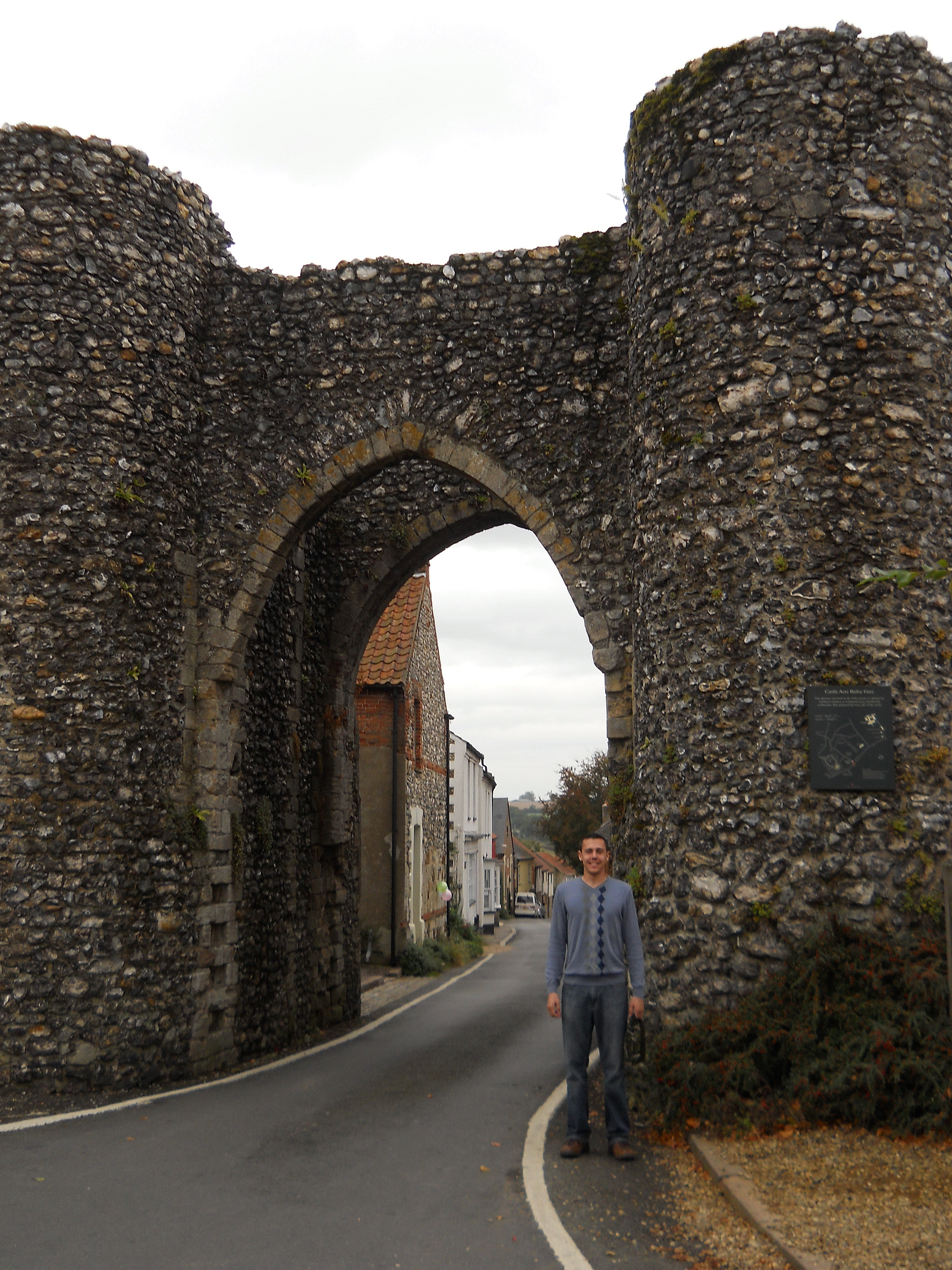
After the castle, we drove to Castle Acre, which isn’t too far away. We wanted to see the priory there, but we didn’t have enough time before they closed for the day. So we went to a tearoom for tea and sandwiches. As usual, it was all delicious. 🙂 Andrew also got some loose tea leaves and a tea strainer to make tea at home. Then we walked to the old Bailey Gate in Castle Acre, which led us to the pedestrian trail to get to Castle Acre Castle.
Old Bailey Gate
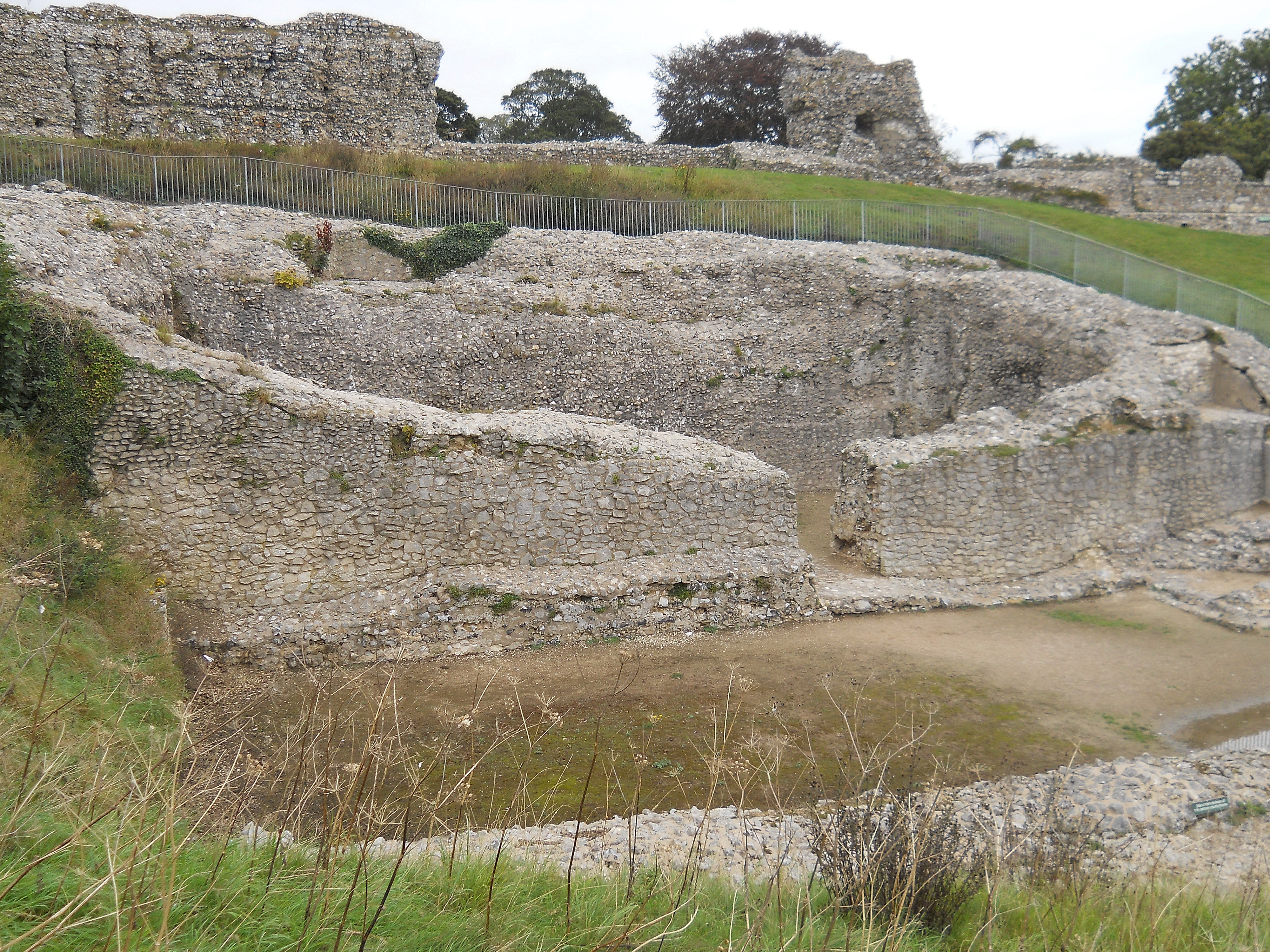
There really isn’t much left of Castle Acre Castle:
It was still nice to walk around, it it seems like families generally come here to do just that. We saw a few people with their dogs, and those pups just loved running in the grass unleashed! 🙂 We walked around to read all the different signs, and it’s fun to imagine what it might have looked like here centuries ago. It’s just sad when these places fall into ruin.
 Cooking time: 20 minutes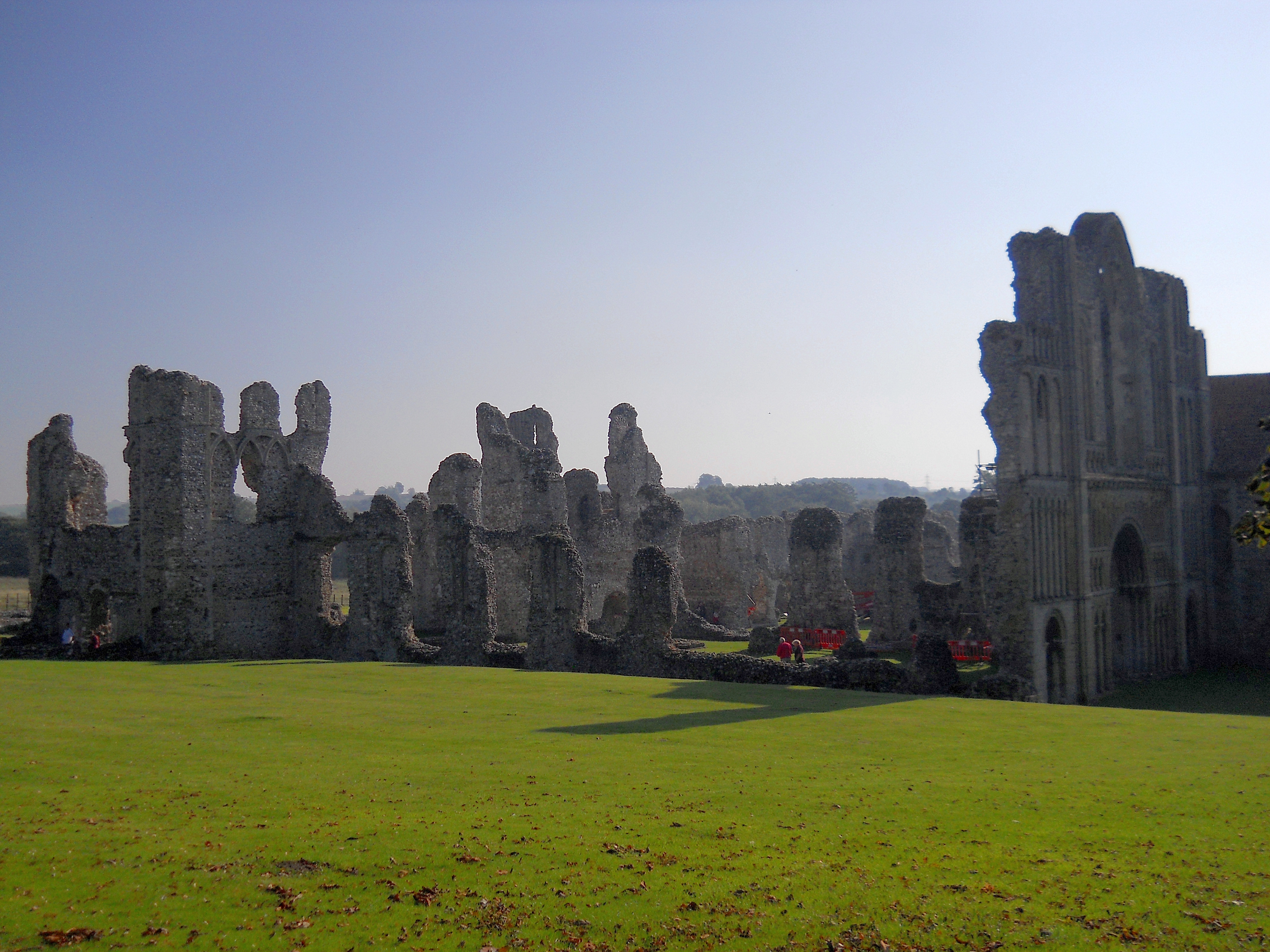

 On An Even Kiel